World Psychiatric Association Regional Congress
Global Approach and Regional Solutions to Prevention of Substance Use and Psychiatric Disorders
The World Psychiatric Association (WPA) and the Uzbekistan Psychiatric Association (UPA) cordially invite mental health professionals to participate in the WPA Regional Congress, which will be held on June 24–27, 2027, in Tashkent.
The Congress focuses on the prevention of mental and substance use disorders, early identification and intervention, as well as the adaptation of evidence-based approaches to the specific needs of individual countries and regions.
Participants will discuss strategies for integrating international expertise, clinical practice, and local initiatives to advance mental health care systems.
Key thematic areas include the prevention of mental disorders and addictions; child and adolescent mental health; suicide prevention; psychotic and affective disorders; biological psychiatry and advanced therapeutic modalities for mental and substance use disorders; as well as the modernization of patient care, and the role of family and community.
Special emphasis will be placed on digital solutions and artificial intelligence, interagency collaboration, professional training, ethics and human rights, along with the economics and prevention of mental disorders.
The program features plenary sessions, thematic symposia, lectures, workshops, poster presentations, and panel discussions led by prominent international experts and world-renowned figures in psychiatry. The Congress will serve as a platform for presenting research findings, discussing clinical expertise, and fostering international professional cooperation.
Psychiatrists, addiction specialists, researchers, educators, early-career professionals, and other mental health experts are cordially invited to participate. The official working languages of the congress are Russian, English, and Uzbek.
Key Sections of the Scientific Programme
- Conceptual foundations of global prevention of mental and substance use disorders
- International policy and regulatory frameworks for prevention
- Current models and levels of preventive interventions
- Social determinants of mental health and the preventive capacity of public health
- Innovative approaches to developing prevention programmes
- Prospects for improving global prevention strategies
- Current challenges to the mental health of children and adolescents
- Early diagnosis and prevention of mental and behavioural disorders in childhood
- Prevention of suicidal and self-harming behaviour among minors
- The impact of the digital environment, social media and cyberbullying on adolescent mental health
- Children's mental health in the context of crises, migration and emergencies
- Interagency collaboration between healthcare, education and social protection systems in preventing mental disorders
- Development of psychological and psychiatric care for children and adolescents in primary healthcare
- Innovative technologies and international experience in the prevention of mental and substance use disorders in children and adolescents
- Epidemiology of mental disorders in children and adolescents and related prevention strategies
- Evidence-based models of early intervention in child psychiatry
- Workforce training and development of child and adolescent mental health services
- Family as a social institution for the prevention of mental and addictive disorders
- Psychosocial mechanisms of family resilience and mental health promotion
- Family-centred models of preventive interventions: international experience and the evidence base
- Intergenerational transmission of risk factors for mental and addictive disorders
- The role of family psychotherapy and psychoeducation in preventing relapse of mental and addictive disorders
- Prevention of codependent behaviour and support for patients' relatives
- The role of the family in the comprehensive prevention of mental and substance use disorders
- State policy on family support as a tool for the prevention of mental and addictive disorders
- Transdiagnostic approaches to anxiety, depressive and behavioural disorders
- Biomarkers and digital phenotypes in the early diagnosis of emotional disorders
- Evidence-based psychopharmacotherapy and modern psychotherapeutic technologies
- Early interventions in psychiatry: from risk factors to disease prevention
- Neurodevelopment and emotional-behavioural disorders in children and adolescents
- Comorbidity of anxiety, affective and addictive disorders: an interdisciplinary approach
- Prevention of relapse and restoration of mental health
- Innovations in the diagnosis and treatment of anxiety and depressive disorders: digital medicine and artificial intelligence
- Modern concepts in suicidology: from risk assessment to personalised prevention
- Biological, psychological and social determinants of suicidal behaviour
- Evidence-based models for early intervention in suicidal crises
- Crisis intervention and care pathways for patients at high suicide risk
- Prevention of repeat suicide attempts and long-term patient follow-up
- The role of family, educational institutions and local communities in preventing suicidal behaviour
- The impact of the digital environment, social media and media content on suicide risk
- International experience and regional practices in organising suicide prevention services
- Public mental health in the context of the Sustainable Development Goals
- Population-based strategies for the prevention of mental disorders
- Mental wellbeing, resilience and social capital of communities
- Organisation of public mental health services: international experience and national models
- Mental health of vulnerable population groups and issues of social inclusion
- Contemporary strategies to combat stigma and discrimination
- Workforce development and interdisciplinary collaboration in public mental health
- Innovation, digital health and artificial intelligence in advancing public mental health
- State policy and interagency governance in the field of mental health
- Integrated models for the prevention of mental and addictive disorders
- Intersectoral collaboration in the implementation of prevention programmes: healthcare, education, social protection and NGOs
- Coordination of services in providing care to high-risk groups
- Legal and regulatory aspects of interagency collaboration in mental health
- Coordinated care pathways and continuity of preventive and treatment services
- Digital transformation of interagency collaboration: data exchange, telemedicine and analytical systems
- Evaluation of the effectiveness of interagency prevention programmes and performance indicators
- Digital transformation of preventive psychiatry and addiction medicine: new opportunities and challenges
- Artificial intelligence and machine learning for predicting mental and addictive disorders
- Personalised prevention based on digital data and precision medicine technologies
- Digital therapeutics (DTx) in prevention and early intervention
- Intelligent clinical decision support systems in psychiatry and addiction medicine
- Integration of artificial intelligence into primary healthcare and public health
- Cybersecurity, personal data protection and issues of trust in digital medical technologies
- The future of preventive psychiatry: digital ecosystems, generative artificial intelligence and international cooperation
- Current understanding of the pathogenesis of psychotic disorders and schizophrenia
- Biomarkers, neuroimaging and genetic research in psychosis
- Early intervention programmes for first-episode psychosis
- Personalised treatment and treatment-resistant schizophrenia: current therapeutic strategies
- Negative symptoms and cognitive deficits: new therapeutic approaches
- Rehabilitation, recovery and recovery-oriented models of psychiatric care
- Relapse prevention and improving treatment adherence
- Organisation of specialised care for patients with psychotic disorders: international experience and national models
- Strategic directions for the development of education in psychiatry and addiction medicine
- Competencies of the 21st-century specialist: clinical, research, communication and digital skills
- Artificial intelligence and digital educational technologies in the training of psychiatrists and addiction specialists
- Development of teaching capacity and leadership in medical education
- Workforce training for preventive psychiatry, addiction medicine and public mental health
- International cooperation, academic mobility and joint educational programmes
- Mental health economics within the public health system
- Investment in prevention as a tool for reducing the socioeconomic burden of mental and addictive disorders
- Methods of economic evaluation in psychiatry and addiction medicine: cost-effectiveness, cost-utility and cost-benefit analysis
- Building sustainable financing models for prevention programmes
- The economics of early intervention and mental disorder prevention
- Mental health and workforce productivity: impact on human capital and economic growth
- Intersectoral investment in mental health: healthcare, education, social protection and the labour market
- State policy and international experience in financing mental health promotion programmes
- Contemporary understanding of affective disorders: from clinical phenotypes to personalised psychiatry
- Depressive disorders: new approaches to diagnosis and therapy
- Bipolar affective disorder: current diagnostic criteria and treatment strategies
- Treatment-resistant depression: causes, predictors and current therapeutic strategies
- Affective disorders across the lifespan: children, adolescents, adults and older adults
- Modern psychopharmacotherapy of depression and bipolar disorder
- Non-pharmacological treatments for affective disorders: psychotherapy, neuromodulation and digital technologies
- Biomarkers and predictors of treatment efficacy in affective disorders
- Neurotic, stress-related and somatoform disorders
- Neurobiology of mental disorders: current models and concepts
- Neuroimaging and neural networks in psychiatry
- Neuroplasticity and mechanisms of recovery
- Genetics, epigenetics and pharmacogenomics
- Neuroimmunology and inflammatory mechanisms
- Biomarkers and personalised psychiatry
- Innovative psychopharmacotherapy and novel therapeutic targets
- Neuromodulation: ECT, TMS and emerging technologies
- Artificial intelligence and digital technologies in psychiatry
- Mental health of children and adolescents: from early detection to prevention
- Perinatal and women's psychiatry: current approaches
- Geriatric psychiatry and neurocognitive disorders
- Psychosomatic medicine and the integration of psychiatry with general medicine
- Cardiopsychiatry, oncopsychiatry and other areas of consultation-liaison psychiatry
- Mental health of socially vulnerable groups
- Psychiatric care in the context of crises, disasters and emergencies
- Mental health of healthcare workers and prevention of occupational burnout
- Human rights as the foundation of modern psychiatric care
- Involuntary care: balancing safety and patient rights
- Ethical challenges of digital and personalised psychiatry
- Emergency psychiatry: assessment of suicide, violence and offending risk
- Psychiatric care in emergencies and humanitarian crises
- Modern forensic psychiatric assessment
- Assessment of criminal responsibility and fitness to stand trial
- Risk assessment for dangerous behaviour and prevention of reoffending
- Compulsory medical measures: clinical and legal aspects
- Ethics, law and interagency collaboration in modern psychiatry
Become a part of the WPA Regional Congress!
Join the WPA Regional Congress in Uzbekistan and put your organisation at the center of the regional mental health community. Connect with 700+ psychiatrists, mental health professionals, researchers, policymakers and healthcare leaders, including 100+ international and regional speakers, representing 30+ countries.

Reach a highly relevant professional audience
Connect with leading psychiatrists, mental health professionals, researchers, healthcare decision-makers and policymakers from across the region. The WPA Regional Congress provides a focused environment for organisations to engage with professionals who influence clinical practice, research and the development of mental healthcare.
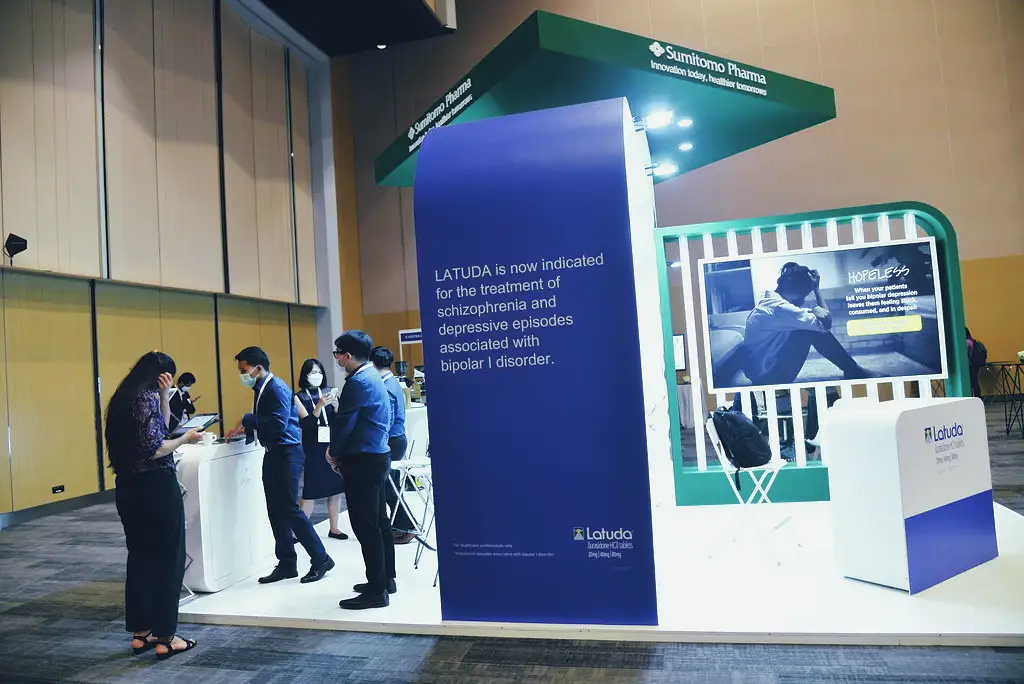
Strengthen your brand and reputation
Position your organisation alongside one of the region’s leading scientific gatherings in psychiatry. Showcase your commitment to mental health, scientific progress and better patient outcomes while building recognition among influential professionals and stakeholders.
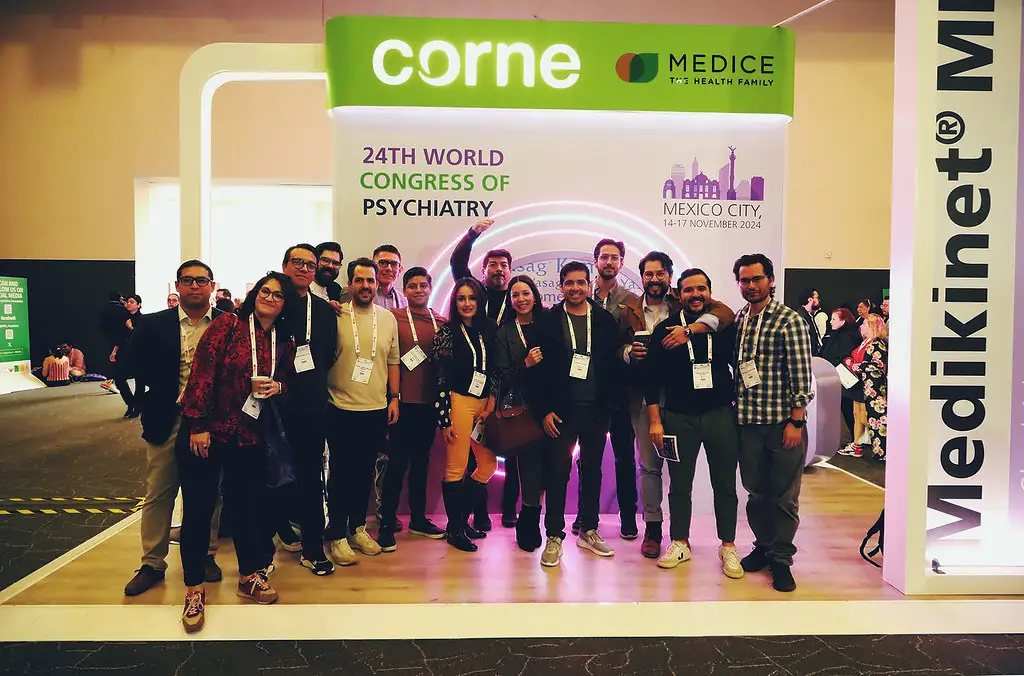
Engage with key opinion leaders
Create meaningful opportunities to connect with recognised experts and leading voices in psychiatry. Sponsorship packages can provide opportunities for scientific exchange, networking and direct engagement with KOLs and other influential members of the mental health community.
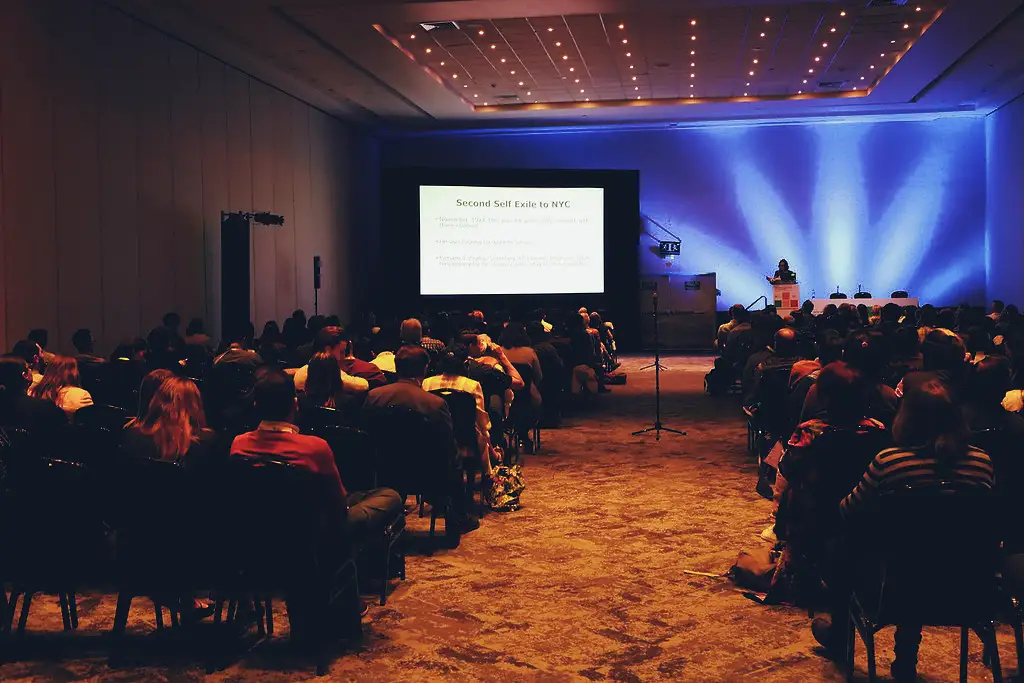
Showcase your solutions and expertise
Present your latest products, services, research and technologies to a highly targeted audience. Exhibition space, sponsored sessions, presentations and other activation opportunities allow you to demonstrate your expertise and highlight solutions relevant to today's mental health challenges.

Support scientific and professional development
Demonstrate your commitment to advancing psychiatry and mental healthcare by supporting education, knowledge exchange and professional collaboration. Your partnership helps create a platform where experts can share experience, discuss emerging challenges and explore new approaches to patient care.

Extend your visibility beyond the Congress
Benefit from visibility across the Congress's pre-event, onsite and post-event communications. Sponsorship can provide multiple touchpoints with the professional community before, during and after the event, helping maximise the value of your partnership.

Partnership tailored to your objectives
Choose from a range of sponsorship and exhibition opportunities or work with our team to create a bespoke package aligned with your objectives – from brand visibility and thought leadership to key opinion leaders engagement, networking and market development.

Connect with the people shaping the future of psychiatry
As a Congress partner, you will have the opportunity to showcase your expertise, engage with leading professionals and key opinion leaders, strengthen your brand and build valuable relationships with the people shaping the future of psychiatry and mental healthcare. Join us as a partner and make your organisation part of this important international gathering!
Registration Deadlines
Registration Opening
Public registration will open no later than 20 September 2026, with the website registration system going live by 15 September 2026.
Early Registration
Until 30 April 2027, inclusive, at 23:59 Tashkent time.
Late Registration
From 1 to 31 May 2027, inclusive.
Final Registration
From 1 June 2027. Online registration will close on 22 June at 23:59 Tashkent time. On-site registration will be available from 24 to 27 June 2027.
Authors of Accepted Abstracts
Notifications will be sent by 15 April 2027 at the latest. The early registration rate will be available until 30 April 2027.
Five Reasons to Attend the WPA Regional Congress in Uzbekistan
Stay at the Forefront of Modern Psychiatry
Explore the latest developments shaping contemporary psychiatric practice, from advances in diagnosis and treatment to emerging evidence in psychopharmacology, neuroscience and personalised approaches to mental healthcare. Hear from leading experts about new findings, evolving clinical approaches and the directions in which psychiatry is moving.
Explore the Full Spectrum of Mental Health and Psychiatric Practice
Engage with a broad programme addressing the conditions and clinical challenges psychiatrists encounter in everyday practice. From mood, anxiety and psychotic disorders to child and adolescent psychiatry, old age psychiatry, substance use and addiction, neuropsychiatry and other areas of specialist practice, the Congress provides an opportunity to deepen knowledge across the field.
Translate Scientific Evidence into Clinical Practice
Discover how emerging research can inform decisions in the consulting room. Sessions will examine current evidence, treatment strategies, clinical approaches and real-world experience, helping psychiatrists consider how new knowledge can be applied to patient care and improve outcomes.
Learn from International and Regional Experts
Gain access to diverse clinical perspectives from leading psychiatrists and mental health experts from Uzbekistan, Eurasia and around the world. Compare approaches to diagnosis, treatment and service delivery across different healthcare systems, discuss shared clinical challenges and exchange experience with colleagues working in different settings.
Shape the Future of Psychiatry Together
Take part in discussions about where psychiatry is heading and the challenges the profession will face in the years ahead. Discuss advances in neuroscience and digital psychiatry, the changing understanding of mental disorders, new therapeutic approaches, substance use and addiction, prevention and early intervention, and the evolving role of psychiatrists in modern healthcare.